Energy
The nuclear renaissance, mapped
Nuclear new build is back on the agenda across Europe and North America. Where the investment is going, when it lands, and what to watch.
The short answer
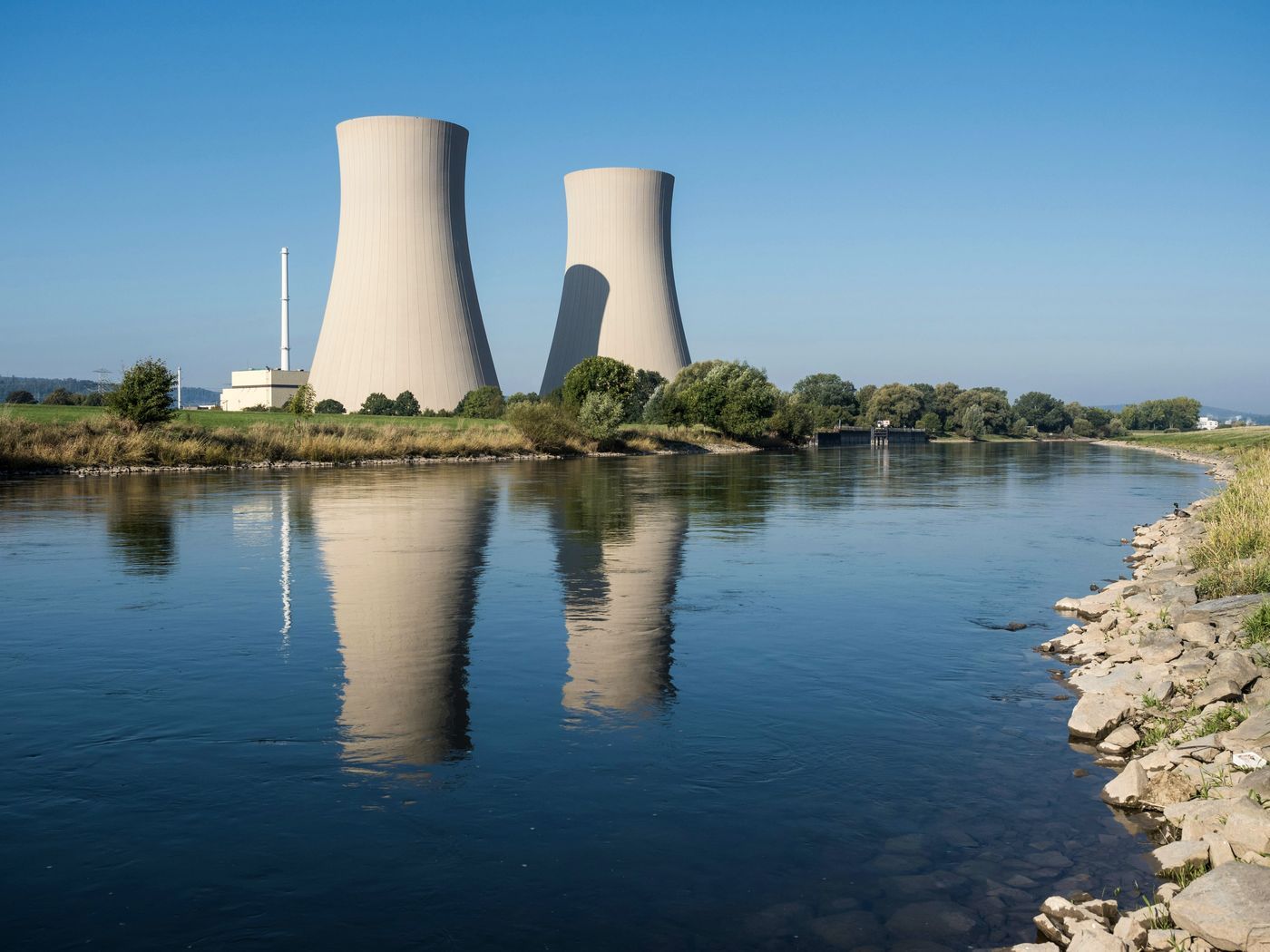
Energy security, decarbonisation and fast-growing electricity demand have put nuclear new build back on the agenda. Our 2025 analysis mapped more than US$715 billion of investment across Europe and North America to 2040. Most new capacity arrives after 2035, but the decisions that shape the market are being made now.
US$715B+
nuclear new-build investment in Europe and North America to 2040 (SVZK analysis)
41
large reactors in the pipeline we mapped, about 64 GWe
2025-27
decision window for more than 30 GWe of projects
Why nuclear, and why now?
Three forces have converged. The first is energy security. Russia's invasion of Ukraine exposed Europe's dependence on imported gas and changed the political calculation on nuclear from optional to strategic. The second is climate. Electricity demand in Europe and North America is expected to grow substantially by 2050, and many governments have concluded that renewables alone cannot deliver deep decarbonisation while keeping systems reliable.
The third is digital demand. The rapid growth of data centres and AI computing has created large new loads that need clean, firm power around the clock. Several of the largest technology companies have signed agreements to buy nuclear power or support new reactor projects.
In our analysis, technology companies were seeking 10 to 15 GWe of new nuclear capacity, through power purchase agreements, restarts of closed plants and partnerships with small modular reactor developers. That is a new kind of customer for an industry that has historically sold almost entirely to utilities and governments.
How has policy changed?
What began as isolated policy shifts has become a wave of support. France has committed to a new generation of large reactors. The UK has introduced a regulated asset base model that lets investors earn returns during construction, improving project bankability. Poland is developing its first nuclear plant, and countries including the Czech Republic, Sweden and the Netherlands have active new-build plans. In the United States, production tax credits have transformed nuclear economics, and Canada is investing in both large reactors and small modular reactors.
Where is the pipeline?
Across the geographies we analysed, the pipeline included 41 large reactors totalling about 64 GWe, at stages from under construction to early planning. France, the UK and Canada dominate, accounting for close to 60% of anticipated investment. Poland stands out among newer entrants, while several Western European countries have no new build planned before 2040.
Timing of new nuclear capacity in the mapped pipeline
Illustrative shape based on SVZK pipeline analysis, 2025. Relative scale, not GWe.
Deployment follows a classic S-curve: modest additions until the mid-2030s, then a sharp rise as projects now in planning reach completion. That makes the next few years critical. Decisions on projects representing more than 30 GWe are due between 2025 and 2027, and they will set the competitive landscape for the following decade.
The value is concentrated. Large reactor projects dominate spending to 2040, with small modular reactors a growing but still smaller share. Most of the money is spent in construction, but the early phases, from site selection and environmental approvals to procurement strategy, have an outsized influence on who wins the later work.
What are the risks?
Nuclear's recent record is sobering. Flagship projects in Europe and the US have run years late and far over budget. The causes are well understood: first-of-a-kind designs, engineering and construction running in parallel, supply chains that withered during decades without new build, and a shortage of experienced people.
- Financing: models such as the regulated asset base reduce the cost of capital but shift risk to consumers.
- Supply chain: heavy forgings, specialist components and qualified suppliers are limited.
- Workforce: nuclear-qualified engineers, welders and project managers will be in short supply.
- Technology choice: large reactors and small modular reactors compete for the same capital and attention, with vendors from France, the US and Korea vying for orders.
The common lesson from recent projects is that readiness matters more than speed. Programs that completed design before construction, built experienced owner teams and secured their supply chains early have performed far better than those that rushed to start.
What does this mean for leaders?
For engineering and consulting firms, the near-term opportunity is in the early phases: siting, environmental approvals, procurement strategy, owner's engineering and setting up the organisations that will deliver these programs. For governments and utilities, the lesson from recent overruns is to invest heavily in readiness before construction starts. For investors, financing models are finally catching up with nuclear's long timelines.
Public support is moving in the same direction. Surveys in Europe and North America show support for nuclear rising since 2020, with one 2024 European survey finding a clear majority in favour.
Frequently asked
Are small modular reactors a real option yet?
Several designs are moving toward first deployment, but large reactors still dominate the investment pipeline to 2040.
Which markets matter most?
France, the UK and Canada lead on investment, with Poland and the Czech Republic among the most active newer programs.
What does nuclear mean for firms outside the big programs?
Opportunities extend well beyond reactor construction: grid connections, environmental studies, workforce training, supply chain qualification and the civil works around each site.
Sources
- SVZK Consulting, Nuclear Power E&C Market Mapping, May 2025 (based on World Nuclear Association, IAEA, government and company data)
- World Nuclear Association, World Nuclear Performance Report 2024
- UK Government, Nuclear Energy (Financing) Act 2022 and regulated asset base model
- US Inflation Reduction Act 2022, nuclear production tax credits

About the author
Shan Vahora is the founder of SVZK Consulting. He advises leaders in infrastructure, energy and financial services on growth, M&A and market strategy, and previously worked at Strategy& (PwC), Cardno and Caterpillar. More about Shan